
How to Hire a Storytelling-Focused Video Editor
Learn how to interview and hire a storytelling editor for branded content, social ads, or corporate video—plus key questions, red flags, and tips.
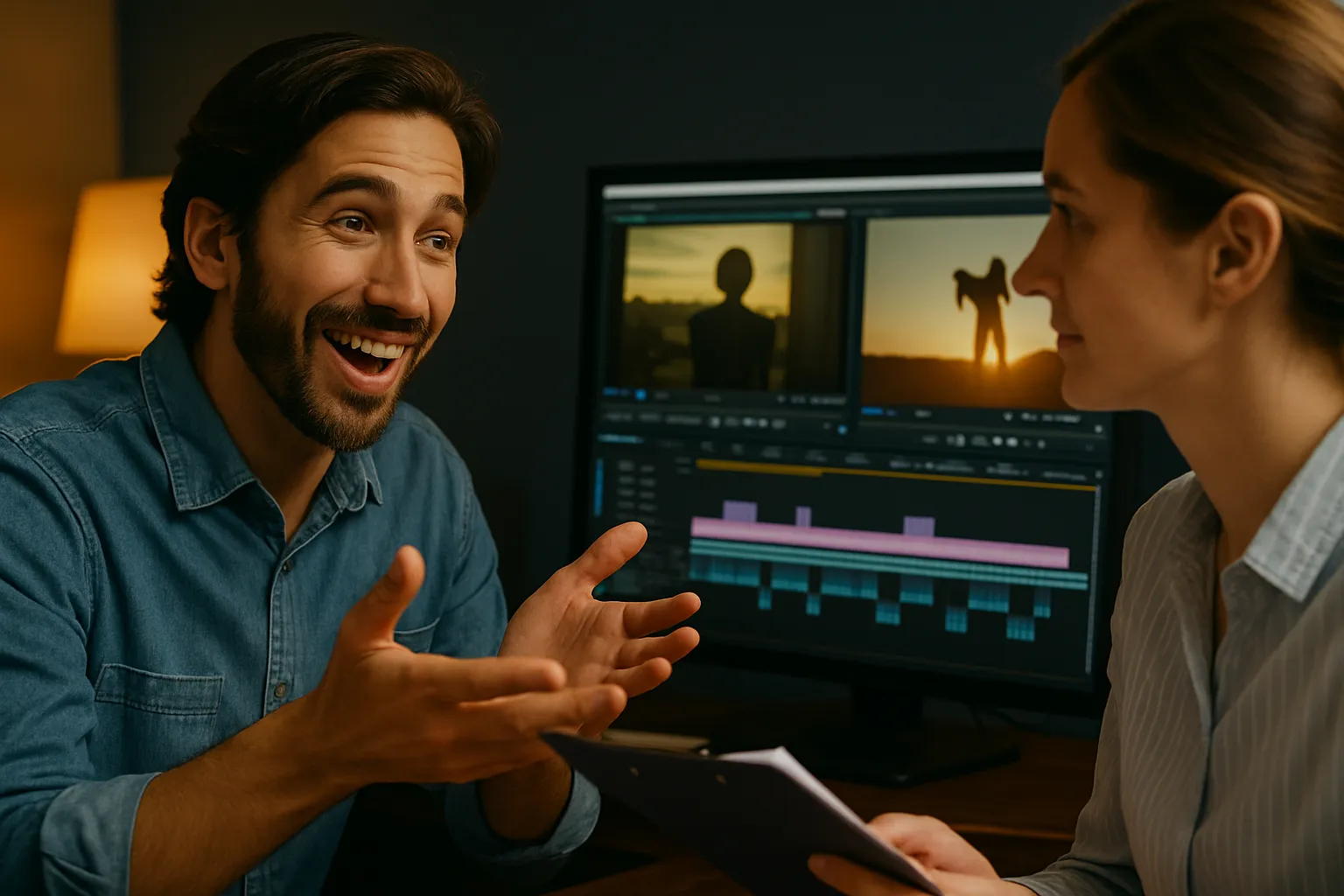
How to Interview for a Good Storytelling Editor
When you’re looking to hire a video editor who can craft a compelling narrative, technical skills aren’t the only thing to consider. Especially in today’s content landscape - from branded content video editing for marketing to corporate video editing for internal communications - the ability to tell a story is what sets great editors apart. A storytelling-focused editor shapes raw footage into an engaging journey for the viewer, not just a sequence of clips. We’re here to guide you through interviewing candidates for this crucial storytelling ability, ensuring your next video editor can do more than just cut footage - they can bring your brand’s story to life.
Why Storytelling Matters in Video Editing
Storytelling is the secret sauce behind memorable videos. In corporate or branded productions, it’s story that transforms a bland sequence of scenes into something that resonates with the audience. Research shows that people are far more likely to remember information presented as a story rather than as isolated facts. A skilled storytelling editor will weave your key messages into a narrative arc, creating an emotional connection with viewers. This emotional engagement is what differentiates a forgettable corporate video from one that inspires and motivates. In short, strong editors don’t just trim footage - they shape a story, sequencing scenes to build tension or momentum and crafting a compelling arc that keeps viewers engaged.
Even in short marketing clips, a narrative structure (beginning, middle, end) guides viewers through the content with clarity and intent. For example, a 30-second branded content ad still benefits from a mini story - perhaps setting up a problem and resolving it with the product - to ensure the message lands effectively. As one resource puts it, “Strong video editors don’t just ‘clean up’ footage. They elevate it… look for storytelling, audience awareness, and brand alignment” in every project. In other words, an editor adept at storytelling will ensure the brand’s narrative and values shine through the content, whether it’s a heartwarming customer testimonial or a high-energy product demo.
Reviewing Portfolios with a Storyteller’s Eye
Before you even sit down with a candidate, take time to review their portfolio or demo reel with storytelling in mind. Look beyond slick editing tricks - focus on how well their past videos convey a story or message. Ask them - what was their role in this edit? Were they given a storyboard, or did they craft the narrative themselves?
If so, ask yourself: Are you drawn into the narrative? An editor’s portfolio should demonstrate narrative editing and story flow, not just technical proficiency. In fact, narrative instincts are what separate a decent edit from a truly memorable one.
When watching their samples, ask yourself: Are the videos engaging from start to finish? Skilled editors use techniques like pacing, music, and scene selection to hold viewers’ attention and evoke emotion. For instance, an effective corporate video might introduce a relatable challenge, build up with informative or emotional content, and conclude with a resolution that ties back to the company’s message.
Consider audience and brand alignment in their past work. A top-tier storytelling editor will tailor the editing style to the target audience and brand voice. As one hiring guide notes, you should “look for storytelling, audience awareness, and brand alignment” when reviewing test edits or portfolio pieces. Did the editor maintain a consistent tone that fits the brand (e.g. playful for a lifestyle brand, polished and formal for a corporate bank)? If they have experience with branded content video editing, check that the brand’s story or values are clear in the video. If they’ve done corporate video editing, see if they turned potentially dry material (like a company history or training video) into a compelling narrative. This alignment shows they can not only tell a story, but tell your story in a way that resonates with your audience.
Tip: We love to assign a short test project to our top candidates. Provide some raw footage (ideally something simple) and see how they craft a story from it. A short test edit mirroring real work can reveal how well an editor interprets direction, makes creative decisions, and manages time. Even if their work is stellar, it’s amazing how much you’ll learn here. Just be mindful: highly experienced editors with big portfolios may not do unpaid test projects, but for less experienced yet promising candidates, a test can speak volumes.
Crafting Interview Questions to Uncover Storytelling Skills
Once you’ve identified candidates with potential, the interview itself is where you probe their storytelling mindset. Here are key areas and questions (in no particular order) to focus on, along with what to listen for in their answers:
- Shaping a Narrative: Ask something like, “How do you approach editing raw footage into a coherent story?” A strong candidate might describe reviewing all the footage to understand the project’s goals and audience, then creating a rough cut focusing on pacing, transitions, and narrative flow. You want to hear that they think about the story arc (even in a short video) rather than just piecing scenes together arbitrarily. For example, if they mention identifying a core message or emotion and building the edit around it, that’s a good sign. Look for hints that they prioritize content that moves the narrative forward. This shows they understand editing is as much about what to omit as what to include in service of the story.
- Storytelling vs. Technical FX: It can be revealing to ask, “How do you balance visual effects or flashy edits with the story you need to tell?” An ideal answer might emphasize story first. Perhaps they’ll say that fancy transitions and effects are just tools, and they only use them when it supports the narrative rather than distracting from it. Essentially, you’re checking that the candidate won’t prioritize style over substance. They should mention narrative clarity and viewer experience as top priorities.
- Experience with Different Content Types (and Adapting Style): Great storytelling editors adjust their style to fit the content and audience. Consider asking, “Can you give examples of how you changed your editing approach for different types of videos or audiences?” For instance, a candidate might say they use fast-paced cuts and bold visuals for a snappy social media ad, but a “more natural storytelling approach” for a documentary interview. Or they might describe editing a corporate video with a clean, professional tone versus a lifestyle vlog with a casual, upbeat rhythm. This adaptability shows they can maintain storytelling effectiveness across formats. You want to hear that they understand the project’s goals and target audience and tailor the editing accordingly (e.g. emphasizing clarity and brand message in a corporate piece, versus emotions and relatability in a non-profit story).
- Questions About Past Projects: It’s always useful to delve into their past work with questions like, “Tell me about a challenging video project where you had to find the story in the footage. How did you do it?” Look for answers that highlight creativity and problem-solving in service of narrative. Maybe they’ll describe sorting through hours of interview clips to find a unifying theme, or restructuring a project when the initial story wasn’t working. A particularly good sign is if they mention collaborating with the producer or director to clarify the story - this indicates humility and teamwork rather than toiling in isolation. Remember that editors often collaborate with other creatives to achieve a cohesive story, so a candidate who discusses working closely with writers, directors, or clients to nail down the narrative is demonstrating a professional approach.
- Understanding of the Production Process: A video editor doesn’t operate in a vacuum - they are part of the storytelling team from pre-production to post. Consider asking, “How familiar are you with the overall production process, from concept to final cut?” Why does this matter? Because editors who grasp the big picture tend to make better storytelling decisions. In an interview, a candidate who can speak about how editing fits into the workflow (for example, referencing how they work with scripts, or how they might plan for footage during filming) is showing they think like a storyteller, not just a button-pusher. It means they’ll be proactive in filling story gaps or suggesting pickups when something’s missing, rather than simply assembling whatever they’re handed.
- Technical Skill Framed in Story: Of course, you will ask about technical proficiencies (software, color grading, sound, etc.), but try to frame a few tech questions in a storytelling context. For example, “How do you use music or sound design to enhance the narrative?” A good answer might talk about using audio cues to set emotional tone or reinforce story beats (like using a rising music track to build toward a climax). Or “How do you ensure your pacing keeps viewers engaged?” and they might mention techniques such as varying shot lengths for tension vs. relief. These questions help distinguish someone who merely knows the tools from someone who knows why and when to use them for storytelling impact. In fact, experienced editors often mention strategies like dynamic pacing, careful timing of cuts, and smooth transitions as ways they keep an audience emotionally connected. Listen for those concepts in their answers.
- Collaboration and Feedback: This is crucial. Storytelling in editing is often iterative and collaborative. An excellent question is, “How do you incorporate feedback from clients or team members while maintaining the story’s integrity?” The ideal candidate will express that they value feedback and can communicate clearly about edits. Perhaps they’ll describe a workflow where they share rough cuts early to ensure the narrative direction is right, then refine. This matters because the “soft skills” - communication, taking feedback well, and working as a team - are especially important for collaborative or fast-moving teams[14]. You want an editor who can defend a creative choice when necessary (if it serves the story) but is not ego-driven - they should be willing to adjust the edit when others have insight, all without “drama.” If they mention an example of handling a round of tough feedback constructively, that’s a big plus.
By weaving these questions into your interview, you’re essentially asking the candidate to reveal their storytelling philosophy and methods. Pay attention not just to what they did, but why - a storytelling editor will always have a rationale tied to audience engagement or narrative clarity, rather than “I did this cool effect because it looked good.”
Closing: Finding Your Narrative Expert
Hiring a video editor with strong storytelling skills might take a bit more effort in the interview stage, but the payoff is huge. This person will not only execute cuts and effects - they’ll actively elevate your content by ensuring every edit serves a purpose in the story. They’ll help your brand videos form an emotional connection, your corporate videos keep viewers engaged, and your projects of all kinds deliver their message in a memorable way - resulting in new customers and conversions for you.
Remember, technical skills can be taught, but narrative instinct is what makes an editor truly outstanding. By focusing your hiring process on storytelling - through careful portfolio review, targeted interview questions, and maybe a test project - you’ll save yourself time in the long run. You’ll spend less effort re-editing dull videos and more time delivering content that wows clients and audiences alike.
Looking to hire a video editor? Popcut connects you with top-tier talent who can bring both technical expertise and storytelling savvy to your projects. With the right questions and priorities, you’ll find an editor who doesn’t just cut footage, but crafts narratives - helping your videos inform, inspire, and leave a lasting impact.