
The UGC Effect: Lessons from User-Generated Content
Explore how UGC-style editing boosts ad performance by making content feel authentic and relatable. Learn why brands are adopting user-generated aesthetics to increase trust, engagement, and conversions.
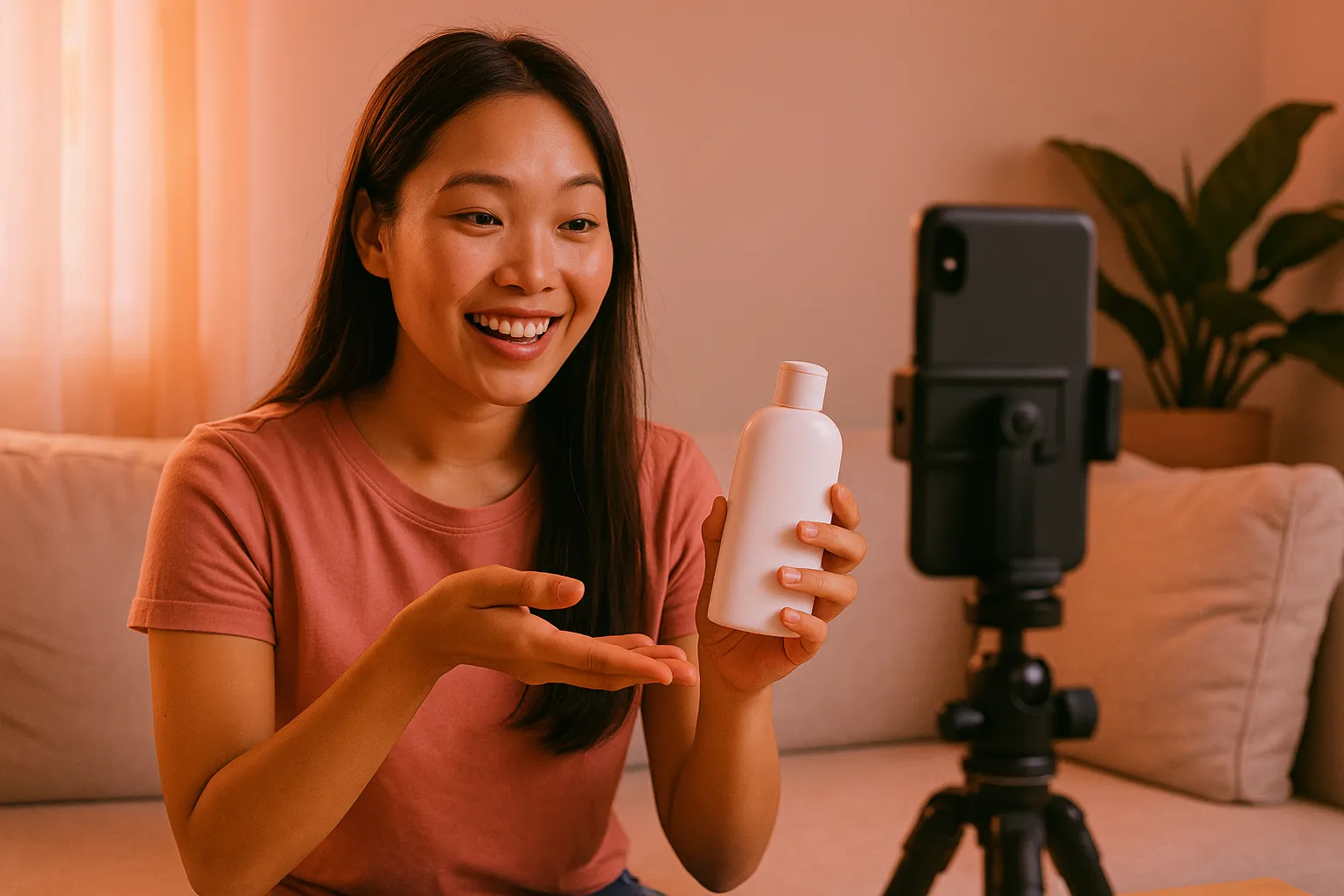
No discussion of video editing and performance would be complete without addressing the rise of user-generated content (UGC) and its influence on advertising. Audiences (especially younger ones) increasingly gravitate toward content that feels authentic, spontaneous, and relatable – hallmarks of UGC. This has implications for ad editing: many brands are finding success by making their ads resemble organic user content in style and pacing.
What does that look like in practice? Often, it means deliberately looser, “non-commercial” editing – for example, using jump cuts, handheld camera footage, meme-like text overlays, or vlog-style narration. These editing choices make an ad feel like just another video a user might come across in their feed, rather than a polished corporate commercial. There’s a strategic reason to do this. People like engaging with brands, they just don’t like being sold to. UGC-style ads scratch that itch: they communicate a message without the hard sell tone. A viewer might not even realize they’re watching an ad at first, which gives the content time to work its charm. Google’s creative team observed in mobile ad experiments that didn’t immediately “feel” like an ad maintained the same brand recall as a more traditional ad – indicating no loss in brand awareness – but kept viewers watching longer because they were enjoying the content. In short, disguising the sales pitch as entertainment or genuine content can be a highly effective editing strategy.
We see this UGC effect in action with many modern campaigns. For example, some of the top-performing YouTube ads in recent years have been ones that could easily be mistaken for a regular YouTuber’s video: think of ads where an influencer-style host speaks casually to the camera, or a tutorial that just happens to feature a certain product. The editing in such pieces is often deliberately minimalistic – quick cuts for humor, a bit of camera shake, natural lighting – to preserve an authentic vibe. An obvious example is the Dollar Shave Club’s famous viral video (though professionally produced, it was edited in a very casual, comedic style that felt like a YouTube skit). It resonated hugely with online audiences and drove sales for the subscription service, precisely because it didn’t come across as a traditional ad.
For agencies, leveraging UGC principles doesn’t mean low quality; it means relatable quality. You still plan the edit, but you plan it to feel unscripted. Some tips: cast believable people (or real customers) and show their genuine reactions; include “imperfect” moments (a laugh, a quick stumble – things often cut from slick ads but kept in UGC for authenticity); and edit with a narrative or fun concept rather than a straight sales pitch. Also, pay attention to trending editing formats from platforms like TikTok – for instance, split-screen reactions, text-to-speech voiceovers, or speedy montages set to music – and consider if those could be applied in your ad to make it more culturally relevant.
Importantly, the data backs the power of authenticity. Consumers trust content from “people like them” far more than classic advertisements. While hard metrics on UGC-style ad ROI are case-specific, one can draw on related stats: for instance, a Nielsen study on advertising trust found that recommendations from friends or consumer opinions (essentially UGC) are among the most credible influences for consumers, far above brand-created content. This trust can translate into performance if your ad edit captures a UGC feel. Some brands now even incorporate actual UGC in their ads – e.g. editing together real customer testimonial clips or social media videos featuring their product – to leverage that credibility. When Shapermint tested user testimonials versus more polished content in their YouTube ads, the inclusion of those testimonial segments (which have a UGC flavor) was part of the winning formula that boosted conversions (Video advertising ROI drivers on YouTube Ads - Think with Google).
For a practical example, consider an e-commerce app that wants to increase sign-ups. A traditional ad might have sleek animations and a narrator reading a script. A UGC-style ad, by contrast, might show a real user recording their screen and voice as they use the app to solve a problem, complete with candid commentary. The editing then stitches together the highlights of that session, perhaps even showing a before-and-after. The latter approach can often outperform the former, because viewers relate to the scenario and feel like they’re getting an honest demonstration rather than a sales pitch.
In conclusion, UGC content has created a new format for authenticity in advertising. Creative agencies should take note: editing techniques that make ads feel organic and story-driven can significantly improve engagement and effectiveness. This doesn’t replace the need for professional editing – it simply means the editor’s touch should sometimes be invisible, crafting an experience that feels viewer-made. The best outcomes often arise from a fusion of high-level strategy and grassroots style: your team provides the strategy and polish, while adopting the pacing, tone, and relatability that makes UGC so compelling.